
“To expedite science without compromising on quality, researchers can make better use of existing data. Rapid action does not need to be uninformed; there are extensive data already available that could be used to address many of the pressing questions we need answered to conserve biodiversity.”
Many research projects begin with data collection. While there are certainly benefits to collecting new data for a project, there are also limitations. Data collection is expensive and time consuming, and can be prohibitive when funding or other resources are limited. Data collection for undergraduate and graduate studies is also necessarily limited in both time and geography, so projects using only new data must be conservative in their scope.
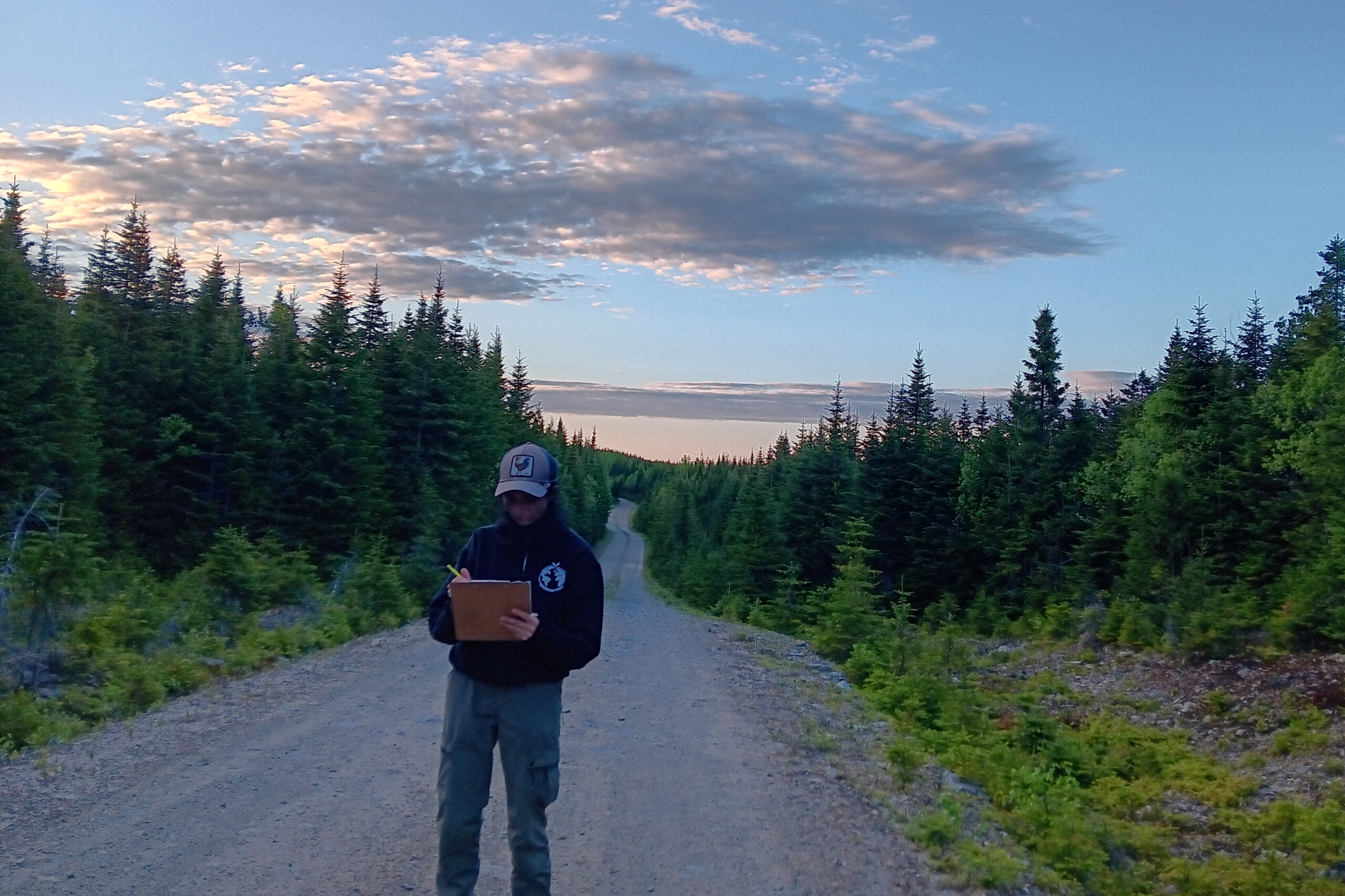
Photo: Laura Achenbach
There is a massive body of existing biodiversity data that is underutilized for research. There are countless research questions that could be fully answered using existing data alone, saving the time and money needed for new data collection. This means that good, meaningful research is possible even when resources are in short supply.
Existing data also provide long-term and geographically broad information that would be impossible to collect within the constraints of a university degree. The North American Breeding Bird Survey (BBS), for example, is a continuous monitoring dataset beginning in 1966 and covering the entire continent. Datasets like the BBS allow us to investigate bigger, broader questions than would otherwise be possible, often with significant consequences for biodiversity.
If you are considering undertaking graduate or undergraduate research, it’s worth beginning by thinking about how existing data may be used to answer the questions you are asking. Either instead of — or in addition to — new data collection, existing biodiversity data is a resource that should not be ignored.
Next section: NatureCounts and the FAIR Principles