
“Accessible biodiversity-related data, information and knowledge are critical for creating baselines, regularly assessing progress and taking necessary action. This issue is cross-cutting, with implications for all the goals and targets of the Kunming-Montreal Global Biodiversity Framework.”
The need for available, accessible biodiversity data is well established, and is emphasized in the Kunming-Montreal Global Biodiversity Framework. To fulfill this need and support the goals of the framework, NatureCounts strives to manage data according to the FAIR principles of data management. FAIR data must be:
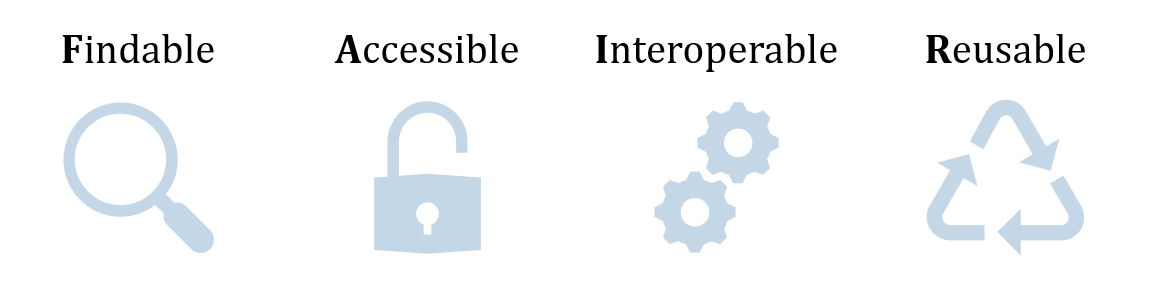
- Findable – Very simply, the people who need the data should be able to find them. This includes making sure that metadata – the information that describes a dataset and tells a user where it comes from – is easy to find as well.
- Accessible – Once a user has located the data and metadata, they must be able to easily access them. This may mean that data are freely available or, if the user must meet some requirements to access the data, the requirements are easy to understand.
- Interoperable – Once the data are accessed, they need to be in a format that can be easily integrated with other data and work together in different workflows or analyses.
- Reusable – To maximize the use and value of the data, they should be in a format that allows users to access, understand, and use them over and over again. Like any resource, good data shouldn’t go to waste!
NatureCounts aligns with these principles in a variety of ways. By assimilating data from many disparate projects into a single, highly visible metadatabase, NatureCounts inherently makes those data more findable. Data exploration tools allow users to query and filter the data, and outreach and tutorials like this one empower users to easily locate exactly the data they need.

Photo: Kris Cu
As you’ll see in a later module, accessing the available data in NatureCounts is easy and straightforward. All data in NatureCounts, regardless of their origin, are formatted using the Bird Monitoring Data Exchange, making them broadly interoperable. This universal data format, combined with comprehensive metadata, also preserves the meaning of the data ensuring it is reusable well into the future.
By aligning with these principles, NatureCounts aims to ensure the data it hosts can be used to their maximum potential for research and conservation.
Next section: FAIR and Secure