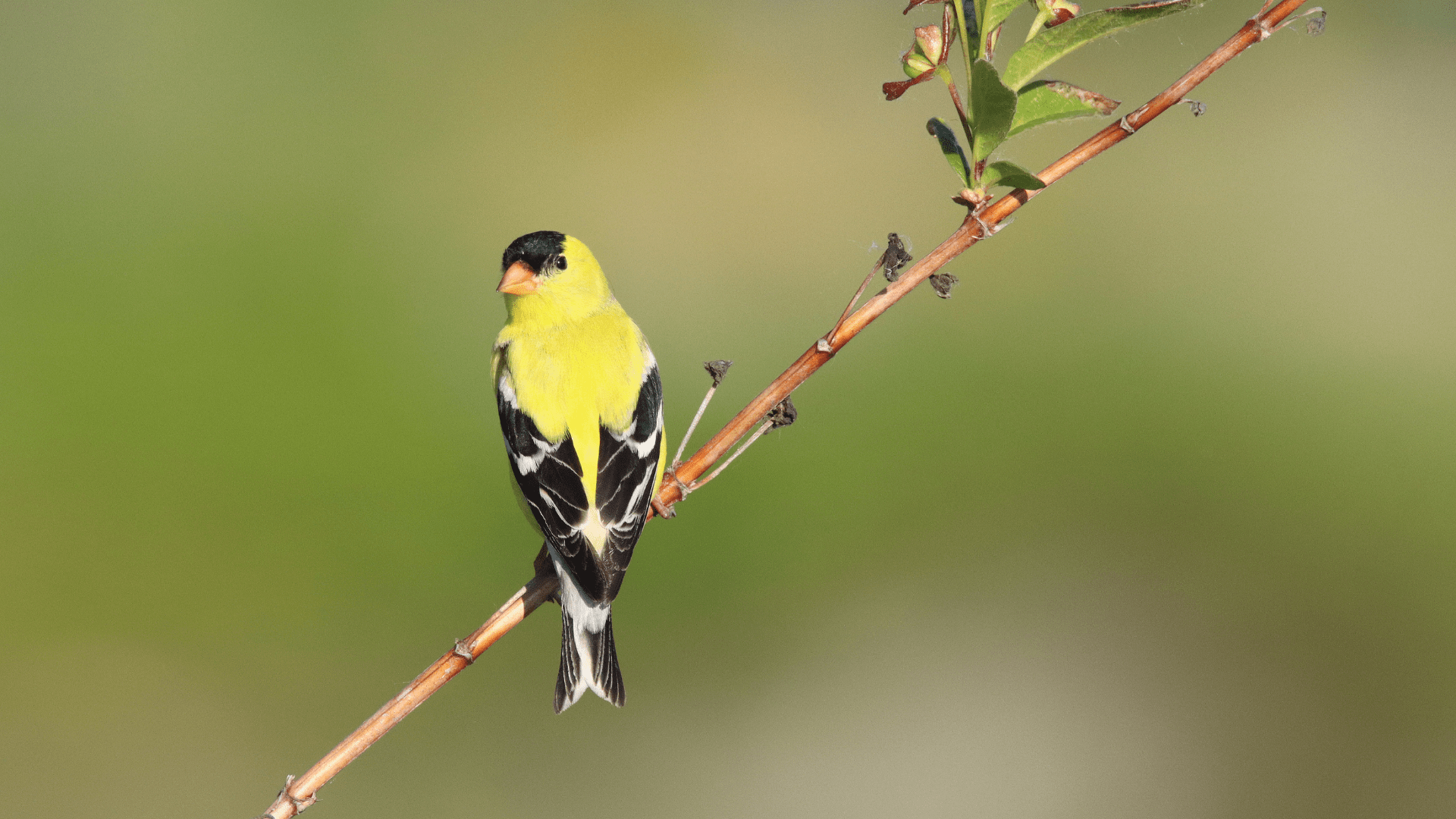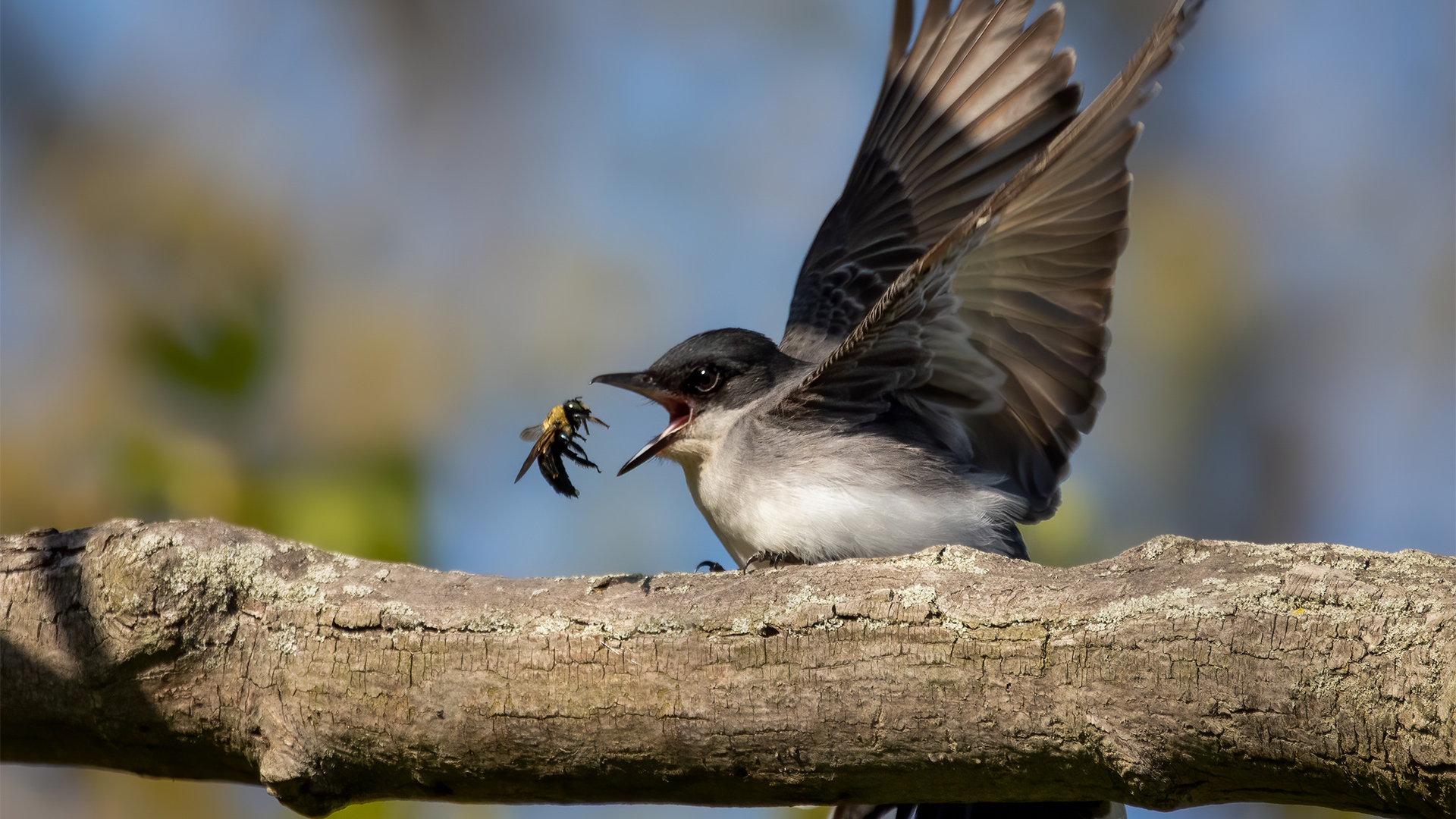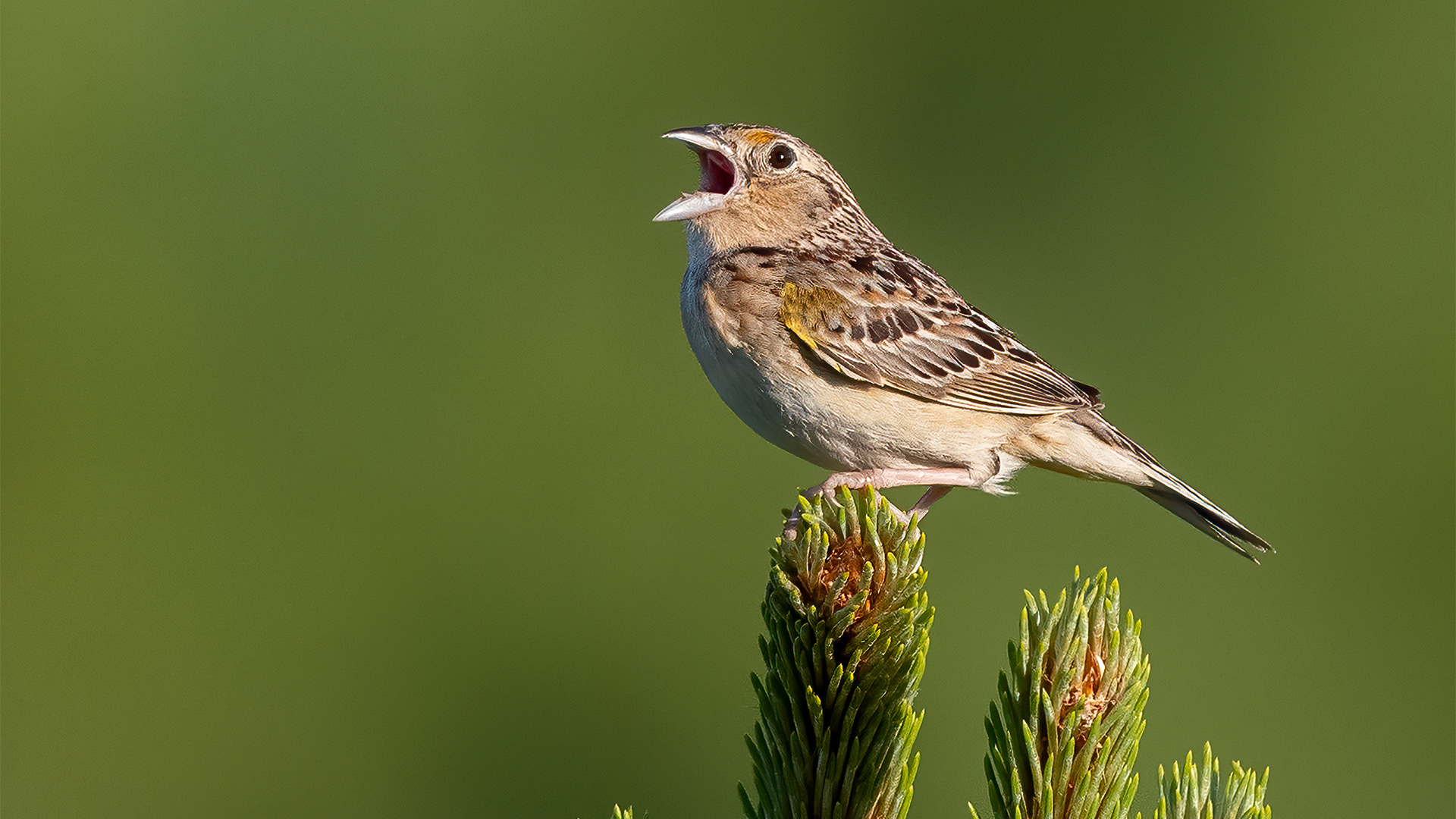

The data in NatureCounts come from a wide variety of different monitoring programs and initiatives. They vary widely in their timeframe, geographic scale, and focal species or taxa. They include:
- Long-term, broad-scale monitoring projects like the North American Breeding Bird Survey (BBS) and Audubon Christmas Bird Counts (CBC).
- Regional initiatives like provincial and state breeding bird atlases, coastal waterbird surveys, and marsh monitoring programs.
- Taxon-specific programs like the Nocturnal Owl Surveys, Canadian Lakes Loon Survey, American Woodcock Singing-Ground Survey, and North American Nightjar Survey.
- Data imported from other major data collection programs such as eBird and WildTrax.
- Census data and daily estimated totals from Canadian Migration Monitoring Network stations, and occurrence data from the North American Bird Banding Program.
And many other citizen science programs and research initiatives. The majority of data in NatureCounts pertain to birds, but there are also data on amphibians and plants (especially from the marsh monitoring programs) and butterflies (from various nodes of the Trinational Monarch Knowledge Network).
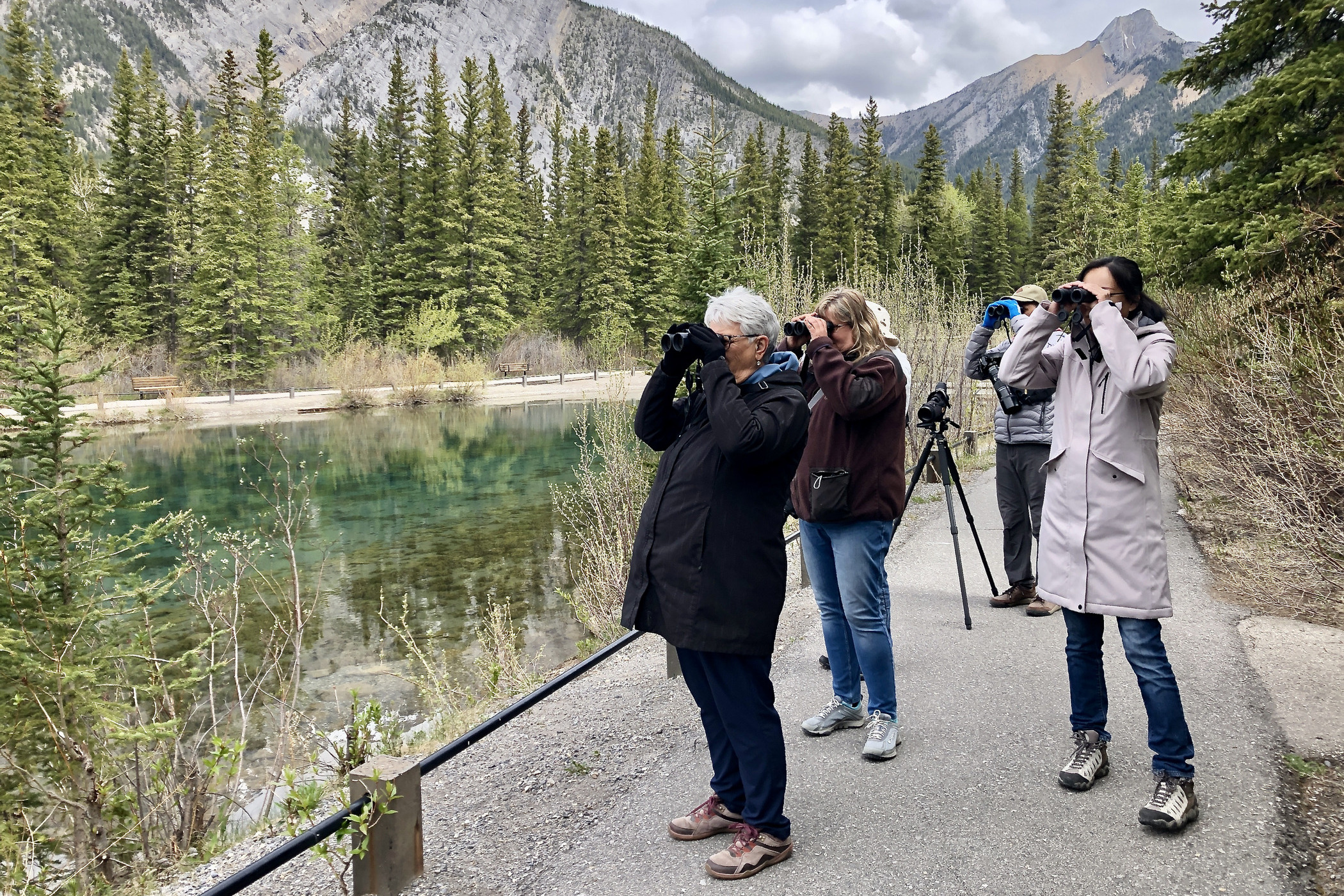
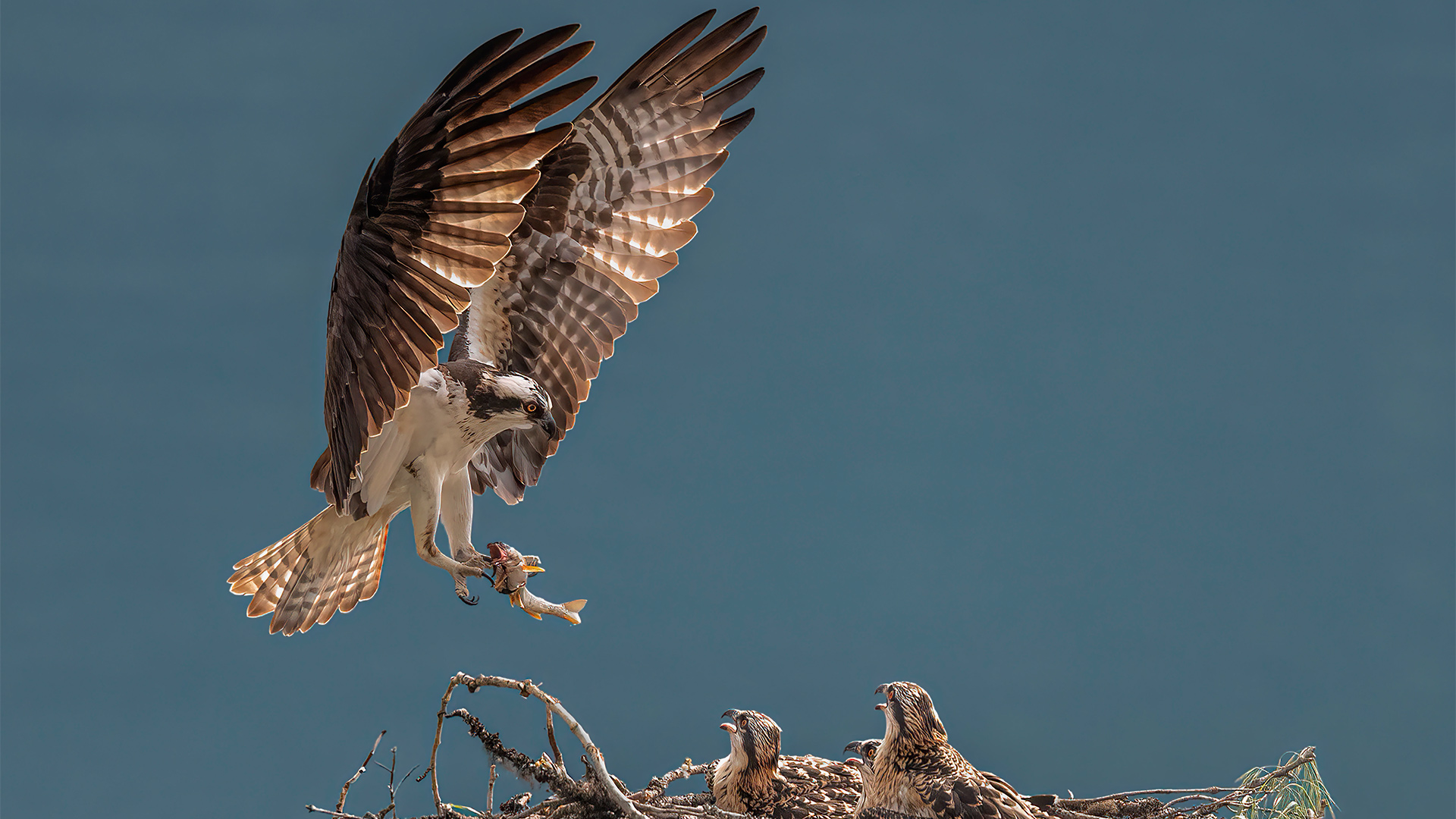
Photo: Jody Allair
Note that NatureCounts hosts occurrence data, which are data that indicate the presence of a bird (or another organism) at a specific place and a specific time. Depending on the project which collected the data, the occurrence records in NatureCounts may be accompanied by covariates such as weather conditions, age and sex of the bird, breeding evidence, and more. If you are interested in movement data for flying animals, you may wish to explore Motus. If you are interested in morphometric or life history data for birds, you may wish to explore bird banding data.
To browse the data that are available through NatureCounts, you can visit the website’s Datasets page.
Note that additional data and information are available through the State of Canada’s Birds. We’ll talk more about that in Module 7.
Next section: A Note About Projects and Datasets